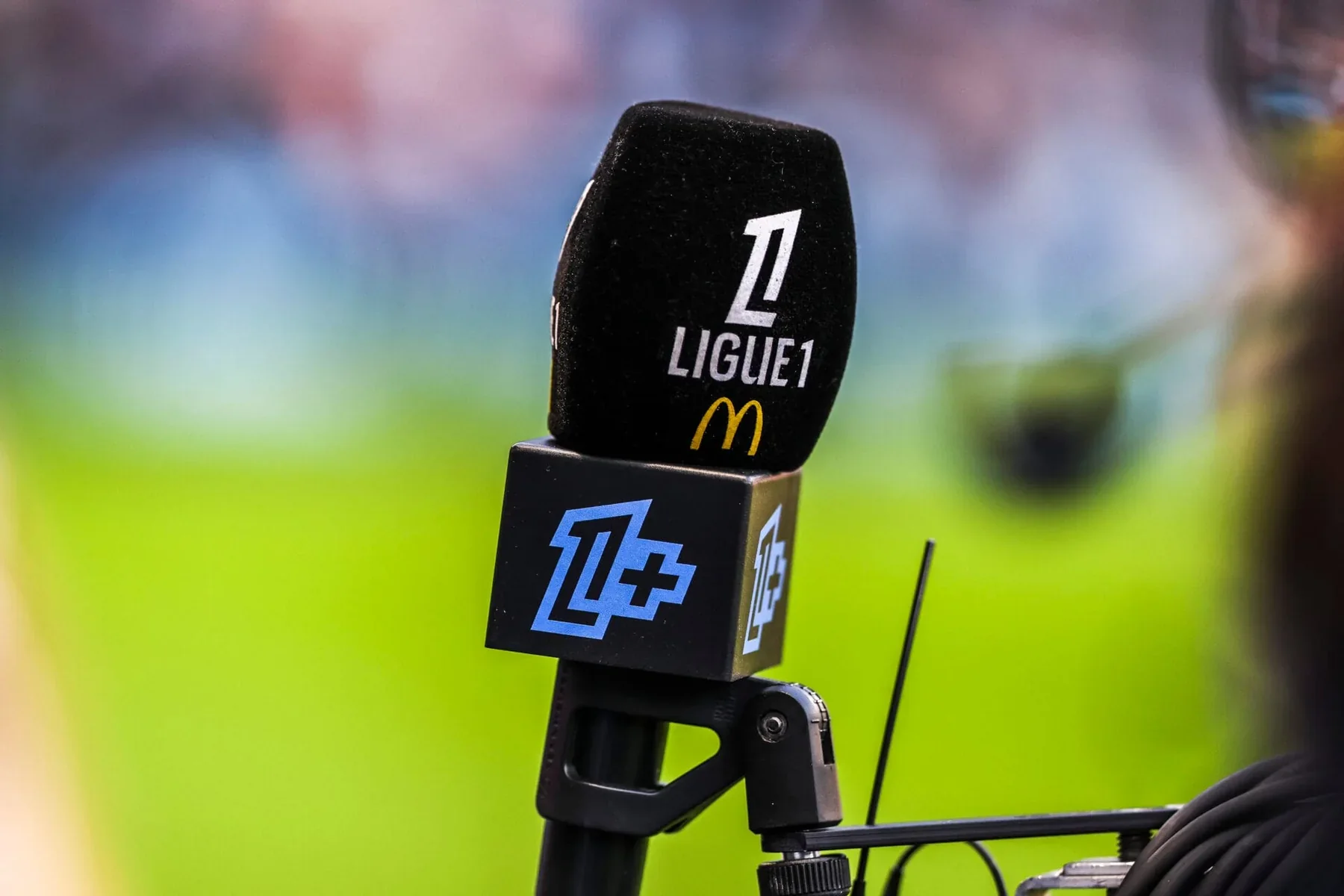
As of October 30, 2026, the announced 2027–2032 French television rights tender does not amount to an immediate closure of Ligue 1+. The consultation is scheduled for November 3 to December 7 and leaves more than one commercial route open. Here is what has been reported, what remains undecided and which details matter before supporters change a subscription.
What has actually been decided as of October 30?
The confirmed development concerns a new sales process for French domestic television rights. Reporting of the LFP board meeting on October 21 says the league approved a consultation for five seasons, from 2027/28 through 2031/32. Orange's report of that decision gives November 3 and December 7 as the consultation window. Those dates describe when the league intends to seek proposals. They do not describe when your existing television subscription stops working.
The distinction matters during a football season. A supporter following the next match needs the current programme and a working account. A club assessing future income needs to know what a partner might pay over several seasons. Both questions involve television, but they have different calendars. A headline about the second question cannot, by itself, answer the first.
The current competition has continued to be presented on Ligue 1+. The league's matchweek-nine television listing identifies the service across that round's fixtures. Check subsequent fixture announcements for changes to kickoff times; the relevance here is the named broadcaster. A future commercial consultation and a current match programme can exist at the same time.
The November–December window is a process, not a new subscription
Read the sequence in stages. First comes approval of the consultation. Next come the tender documents and proposals. An eventual agreement would then need its own announcement, including its scope and start. Finally, supporters would need practical information about the viewing offer. These stages may produce several news stories before anything changes on a living-room screen.
As of October 30, the cited updates announce a planned tender, rather than a completed award or a new consumer price. They contain no instruction for existing subscribers to move to another service immediately. That is a dated answer: an announcement after this cutoff could change the position, and should be read on its own terms.
For that reason, treat “2027–2032” as the label for the proposed football-rights cycle. It does not mean a switch at midnight on January 1, 2027. Nor does the December submission deadline guarantee that every retail detail will be settled that evening. For current access instructions, use our Ligue 1+ viewing guide for France alongside your provider's current programme.
One lot, two options: how Ligue 1+ could fit the next agreement
The most useful detail in the latest reports is the distinction between the proposed package and the way a buyer could use it. Télé Satellite's October 30 report describes one lot covering the whole championship, with two alternatives: exclusive broadcast rights to the competition, or exclusive distribution of Ligue 1+. Those alternatives leave room for different outcomes. They do not support the claim that a new tender necessarily abolishes the league's channel.
Buying the championship rights
In the first route, the attraction is access to the championship as a whole. Orange's latest account identifies 306 matches in the proposed package. For someone who remembers needing different services to follow one club across a season, the completeness of that content matters. The proposal is about offering the whole league together, rather than making a supporter infer which weekend fixture belongs to which portion of a fragmented sale.
However, a package offered to broadcasters is different from a product offered to households. An eventual rights holder would still need to explain its channel, applications, distribution arrangements and customer offers. The fact that one company could acquire a complete package does not tell you whether it would sell a standalone football pass, include it in a larger bundle, or arrange access through other providers. Those are questions for an actual agreement and its retail announcement.
Nor does “all Ligue 1” mean every competition played by a Ligue 1 club. A side's European matches and domestic league matches are different events. If your aim is to follow a club in every competition, define that aim before comparing a television offer. Completeness within the French league is valuable, but it should be assessed against what you actually want to watch.
Distributing the existing Ligue 1+ service
The second route puts the existing service itself into the proposed arrangement. Eurosport's report explains the choice between carrying Ligue 1+ and establishing a broadcaster's own channel. The practical implication is conditional: a new commercial partner could be involved while the Ligue 1+ identity still has a place. It is premature to turn that possibility into either a guaranteed continuation or a guaranteed closure.
There is already a distinction between a service and the outlets selling access to it. The LFP's current-season announcement names several distribution routes as well as the official digital platform. That is useful context for understanding the vocabulary. It is not a promise that the same routes, accounts or billing arrangements would survive a future exclusive distribution agreement.
Orange also reports that Ligue 1+ could continue if this consultation does not produce an acceptable deal. This fallback helps explain why testing the market and running a channel are compatible decisions. Think of the tender as a choice the league is exploring. Supporters should judge the outcome when its coverage and terms are published, rather than assume that every possible route ends with the same app, price and account.
Why a Canal+ comeback is still an open question
Canal+ is an obvious focus of the debate because of its long association with French league football. The relevant new information is more limited than a comeback announcement. In comments reported by Foot Mercato on October 22, Maxime Saada said the group would assess the situation and would require a profitable investment. He also presented Ligue 1 as an opportunity the company could consider, rather than rights it necessarily needed to buy.
That leaves the door open without telling supporters who will walk through it. An executive can consider a proposal and ultimately decide against it. A company can submit an offer the seller finds inadequate. Even an agreement on commercial principles would still need clear public details before anyone could treat an existing entertainment subscription as future access to every league match.
There are therefore several useful questions for the next announcement. Has Canal+ actually submitted a bid? Does an agreement cover the competition itself or distribution of Ligue 1+? Is the statement from the companies involved, rather than a report about market interest? Does it specify the seasons and the territory? These questions help distinguish a developing negotiation from a television programme you can rely on.
For clubs, a dependable payment stream can matter even if supporters like the present broadcast. A fan judges whether the pictures, commentary and access justify a household expense. A club has a different concern: the income available to plan its operation. Satisfaction with a service and a desire to improve its commercial return can coexist. Neither proves that a particular buyer will offer acceptable terms.
The same separation applies to price. The fee a broadcaster pays for rights is not a published subscription tariff. It would be a mistake to divide a rumoured rights figure by a subscriber estimate and present the answer as a coming monthly bill. A retail offer could include different commitments, bundles or promotions; its actual terms are needed before it can be compared fairly.
Supporters can reasonably prefer a familiar broadcaster, a standalone league service or a broader sports package. Those preferences describe different viewing habits. Someone watching only their Ligue 1 club may value a different offer from someone also following European football and other sports. Until a real offer exists, neither household can know whether a hypothetical Canal+ return would improve its own arrangement.
What supporters should do with a current subscription
Keep this season separate from the next rights cycle
Start with the next match you want to watch. Check the Ligue 1 fixture schedule, then confirm the broadcast in your provider's programme. The official current-season guide describes a complete league offering, including all nine matches per round. The tender does not turn that guide into a timetable for a shutdown.
If you already have access, there is no need to buy a second subscription merely because a familiar broadcaster's name appears in a future-rights story. First establish what the additional purchase would actually show today. A hypothetical offer for next season cannot resolve a problem with tonight's login, and an existing sports bundle does not automatically include rights a company has only been linked with buying.
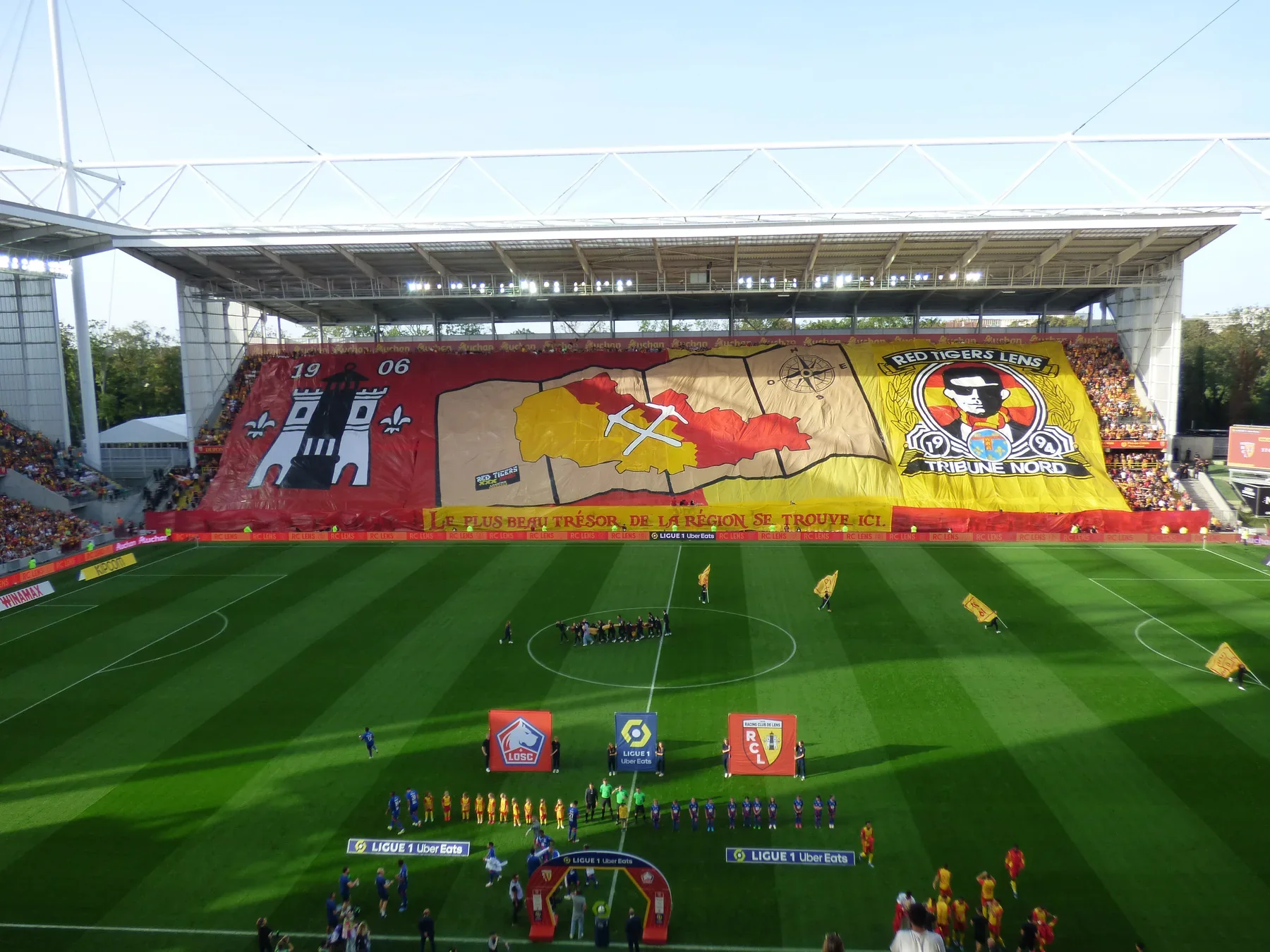
For a supporter who follows one club, continuity means being able to find that club's next fixture. For a household watching several clubs, it also means knowing how simultaneous games are presented. These are worthwhile questions to ask of a current service and any replacement. They are more useful than judging an unannounced product solely by the reputation of a potential partner.
Read the seller’s message before changing a commitment
Identify who bills you and which offer you hold. The Ligue 1+ conditions dated September 10 specifically distinguish subscriptions bought through distributors and direct subscribers. They direct distributor customers to that distributor's terms. A headline about LFP's commercial plans is therefore an inadequate basis for assuming the same account action applies to everyone.
Save your current offer name, commitment end date and any renewal message. If a provider later sends a notice about changing the service, read the effective date and the action it asks you to take. Keep that message with your original confirmation so you can compare what has actually changed. This is useful preparation even while the tender outcome remains unknown.
Do not infer automatic cancellation, reimbursement or migration from the existence of the consultation. Those consequences need their own applicable terms and notices. If your immediate concern is a renewal already approaching, our cancellation and renewal guide addresses the present process. Make that decision using your existing contract, rather than waiting for a rumoured future price.
Compare the whole offer when one is announced
Once there is a real announcement, compare the full period you would be paying for. A low introductory monthly figure and a short rolling commitment answer different needs. Ask what the bill becomes after the promotion, how long the commitment lasts and whether a larger bundle is required. The current official guide itself separates different types of pass; it is sensible to expect precise definitions from any eventual new offer too.
Then compare viewing conditions. Does the product include the matches you want, on the devices you use, with enough simultaneous streams for your household? Can you watch a replay when work prevents live viewing? Is access sold directly or through a provider you already use? These are comparison questions, rather than predictions about what a future broadcaster will permit.
Finally, look for clear instructions for existing customers. An attractive offer for a new subscriber does not explain what happens to a person already committed elsewhere. The useful announcement will connect coverage, price, start date and the treatment of existing accounts. Until those details exist, keeping a short list of unanswered questions is a better financial decision than assigning imaginary terms to a potential winner.
Does the French tender change viewing abroad?
The reported consultation concerns the French domestic market. International supporters should begin with the rights and service for their own territory. The LFP's September 2026 international announcement describes a separate network of partners. Its examples include Canal+ International in French-speaking sub-Saharan Africa, SuperSport in English-speaking African territories and beIN SPORTS in the Middle East and North Africa. A French domestic headline should not be read as an instruction to customers of all those services.
The United States provides a concrete example. In its August 2024 rights announcement, beIN named the United States and Canada among markets covered from 2024/25 through 2028/29. That announcement has a different scope and cycle from the new domestic consultation. It does not become a French Ligue 1+ account simply because the same match is being shown.
If you watch in America, use our USA viewing guide and the current local programme for the particular fixture. Identify whether the match is on a linear channel or an online stream, then check what your own provider includes. Do not buy a French pass just because a French article calls it the home of the league; geographical scope is part of the offer.
A shared brand can also create confusion. A broadcaster operating in several countries can hold different rights and sell different products in each. A French decision concerning that brand does not automatically describe its American or African coverage. Likewise, a Ligue 1+ offer aimed at another market needs its own local terms. The name on the application is only one part of identifying the right service.
Travel adds a separate question. Temporarily visiting another country and taking out a subscription as a resident there are different situations. Before a trip, ask your existing service about its applicable access conditions. The tender alone establishes neither worldwide portability nor an entitlement to a replacement account. Treat any future territorial announcement as specific to the places it actually names.
For the next stage, watch for four things together: a confirmed agreement, the rights and territories it covers, a real viewing offer, and instructions for existing subscribers. Until then, the useful answer remains dated October 30: Ligue 1 is preparing a new domestic rights consultation, while the immediate task for supporters is to follow the current programme. The outcome may matter considerably, but it has not yet supplied a new subscription decision.
Loading comments…