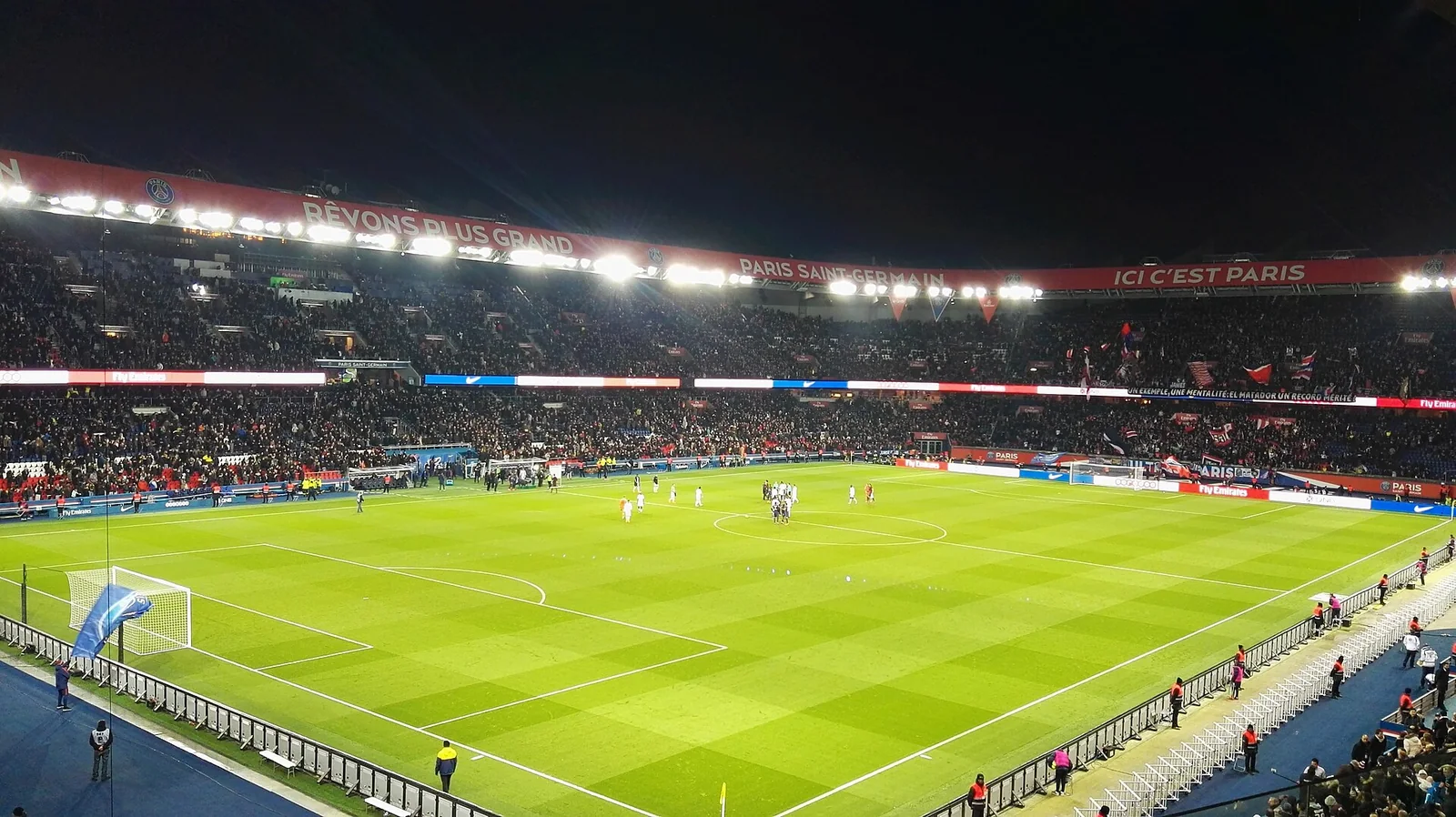
For 2026/27, Ligue 1 officials are working with new time-saving measures, but the headline numbers need context. A five-second countdown applies when a throw-in or goal kick is being unfairly delayed; it does not automatically start whenever the ball goes out. Players being substituted normally have ten seconds to leave, while some injured outfield players must wait a running minute after the restart before returning. The consequence and exceptions differ across those situations. This guide uses the league?s stated directives and IFAB?s written protocols as of 18 September 2026, so a supporter can understand what an official is actually deciding during a live match.
When does the five-second restart countdown begin?
A Ligue 1 player does not have exactly five seconds from the instant the ball leaves the field to take every throw-in or goal kick. The relevant 2026/27 rule is a response to a restart that the referee judges is being deliberately delayed. The official IFAB countdown protocol says the official signals for the restart, blows the whistle and visibly counts down from five. Benoît Bastien, speaking for French professional refereeing, listed those restarts among the 2026/27 Ligue 1 directives. The trigger matters as much as the number: a normal pause while a ball is returned is not, by itself, proof of an offence.
The referee can tell a taker to hurry, but the protocol does not require that preliminary warning before the visible countdown. It also does not require the player to be holding the ball. Slowly retrieving it, choosing an incorrect touchline spot or repeatedly placing it in the wrong position can itself be the delaying act. For a spectator, the raised hand is the useful signal that the enforceable countdown has started. Counting five seconds on a television clock from when the ball crossed the line would answer the wrong question.
A delayed throw-in can change possession
Under the amended Law 15, if a team unfairly delays its own throw-in and has not put the ball in play when the referee's count expires, the opposing team receives the throw-in from the original spot. It is a reversal of possession, not merely an instruction to take the same throw more quickly. A club trying to protect a narrow lead near its own corner flag could therefore surrender a useful defensive restart to an opponent in attacking territory. The consequence changes what a sensible player does: get into position promptly, find an available teammate and restart before the official needs to intervene.
That still leaves judgment with the referee. The official must identify an unfair delay, not treat every tactical choice about where to throw as misconduct. The protocol also says the taker should not be penalised when already in the process of throwing as the count reaches zero. A spectator may dislike how long a restart feels, but the law asks whether the visible countdown was initiated and whether the ball was put into play under that procedure. The initial reversal does not automatically produce a yellow card. IFAB reserves a caution for a player who then excessively delays the opponents' new restart.
A delayed goal kick can become a corner
The equivalent sanction at a goal kick is more dramatic. If a team deliberately delays and fails to take the kick within the referee's five-second countdown, Law 16 awards the opponents a corner kick. The corner is taken on the side nearest the original goal-kick position. A team intending to run down the clock can hand its rival a set piece beside its own goal instead. That potential cost is why this directive is more than a cosmetic attempt to make the broadcast look faster.
A goal kick and goalkeeper possession are different situations. The former is a dead-ball restart after the ball crosses the goal line; the latter is a keeper controlling a live ball with the hands. The French refereeing briefing discusses a five-second response to delayed goal kicks and an eight-second limit on the goalkeeper holding the ball. Both can lead to a corner, but they have different starting conditions. When a contentious call appears in a highlight, identify which state the ball was in before deciding whether the referee used the right clock.
There is a further practical distinction. The IFAB procedure says the referee need not wait until the taker physically controls the ball before starting the countdown, yet it also protects a player whose kicking motion is already under way at the end. That combination aims to prevent artificial delays without converting ordinary execution into a technical trap. It leaves room for disagreement about an individual referee's assessment, which is why a serious match discussion should refer to the specific signal, restart and action. The rule itself does not establish that every slow-looking throw in the 2026/27 results was handled inconsistently.
What happens when a substitution takes too long?
The new substitution limit concerns the player coming off, not how quickly the replacement can get ready. Under the IFAB time-limited substitution protocol, the outgoing player normally has ten seconds to leave once the board is shown. If there is no board, the referee's signal starts the period. A substitute whose equipment is being checked does not cause the clock to begin before that inspection is complete and the referee signals the change. Those details are important when someone watching from the stand believes a player took more than ten seconds: the relevant start is a match official's signal, not a coach waving someone over.
Players usually exit at the nearest boundary point rather than walk the full width of the pitch to the halfway line. That is already a practical way of reducing delay. The 2026/27 provision gives it a firmer consequence: if the player misses the ten-second limit without an applicable exception, they must leave anyway, but the replacement cannot enter immediately. Play restarts and the team must wait until the first stoppage after one running minute has elapsed before the substitute can enter, with the referee's permission. The league's own refereeing explanation makes the same point. It is possible for the wait to last longer than one minute if the ball stays in play.
This is a temporary tactical cost, not a cancellation of the substitution. The official protocol says the change cannot simply be abandoned or switched to a different replacement after the delayed exit. Imagine a side changing a tired midfielder while protecting a late lead. If the outgoing player dawdles, the team could defend the next passage of play with one fewer player, then have to wait for a stoppage even after the minute has passed. An extra body can matter when opponents circulate possession around the penalty area, press high after a turnover or deliver a set piece. That is an inference from the rule's numerical consequence, not a claim that a particular Ligue 1 goal has already resulted from it.
The yellow-card position is often misunderstood. Missing ten seconds triggers the replacement's wait, but does not necessarily caution the player who has left. IFAB says a caution applies only when that player excessively delays the restart. The two sanctions answer related but different conduct. A supporter can therefore see a team briefly a player short without seeing a card and still be watching the protocol correctly applied. Conversely, a genuinely excessive continuation of the delay can draw a card as well.
The referee also has discretion for evident injury or safety. The rule does not require a player who cannot physically move quickly to sprint off, and a nearest-boundary exit can be changed for security reasons. If the outgoing player is already very close to or crossing the line as the count expires, the protocol says the replacement should be allowed in. For two or more simultaneous changes, the ten seconds run after the last board or signal, and officials should not space out those signals artificially. These qualifications protect legitimate match management while preserving the rule's anti-delay purpose.
The football question to follow in a live match is therefore sequential: when was the substitution indicated, where did the outgoing player leave, did the referee identify an exception, and when was the next stoppage after one running minute? Looking only at the stadium clock or a replay of the last few steps misses the decision that determines whether the replacement may enter. The rule is designed to make a slow exit costly to the delaying team, while allowing a prompt substitution to happen normally.
How does the one-minute injury rule work?
The treatment rule has a different clock and purpose from a delayed substitution. An outfield player whose injury stops play, who is assessed after medical staff are called on, or who requests on-field attention may have to leave and remain off for one minute after play restarts. The IFAB protocol describes that minute as running time. Ligue 1's 2026/27 refereeing directive also identifies the one-minute period. It is not an instruction to complete all medical care in sixty seconds. It determines when a player who has gone off may be allowed back into the match.
Officials and medical staff must still respond to a real injury. The international rule says an initial assessment on the pitch should be given sufficient time; ordinary treatment then takes place off it unless the situation is serious or an exception applies. The clock does not begin when the player falls, when the whistle sounds or when a stretcher appears. It begins only when football restarts. That order matters for an honest reading of televised incidents, because a long stoppage before the restart can look like a long enforced absence even though the one-minute period has not yet started.
Treatment and the restart of play
The official sequence lists several triggers. A player may be subject to the wait if their actual or suspected injury causes play to stop. The same applies when the referee calls medical staff onto the pitch or asks whether the player needs attention and the player requests it. Conversely, a player who says they do not require help may avoid the requirement if play was not stopped specifically for their injury. Someone who voluntarily steps off without delaying the restart is not automatically subject to the same penalty. The key is what happened to play and why medical assessment was sought, not whether a replay showed a dramatic fall.
Once a covered player leaves, the referee keeps the running-minute count after the restart. The player cannot simply run back on when their own watch reaches sixty seconds: the referee must permit re-entry. If play is continuing, the return is from the touchline; during a stoppage it can be from another boundary. Unlike a substitute delayed by a slow outgoing player, the treated footballer need not wait for the next stoppage after the minute if the referee gives permission during open play. The distinction can affect when a side recovers its full number of players.
Consider the tactical effect without assuming bad faith. A midfielder who asks for treatment after an awkward landing may be genuinely uncomfortable yet leave the team one player short for part of the next phase. A coach might temporarily drop a forward closer to midfield, while an opponent may move the ball quickly into the vacant space. Those are possible responses to a temporary imbalance, not guaranteed results or evidence that the original injury was feigned. If the player cannot continue and is substituted instead, the protocol says the replacement is not held back by this one-minute treatment period. Safety and football tactics operate together rather than one replacing the other.
Why the exceptions matter
The rule cannot be read as “every injured player waits a minute.” IFAB Law 5 and its protocol list exceptions. An injured goalkeeper may remain; a collision between a goalkeeper and an outfield player, or between teammates needing attention, is treated differently. Severe injury, especially a suspected head injury or other emergency, is also outside the ordinary leave-and-wait sequence. The referee and medical team must address those situations first. A rule designed to keep play moving is not a reason to rush a concussion check.
There is also an exception when a player is hurt by an opponent's physical offence for which that opponent is cautioned or sent off. That does not extend to every challenge that a fan considers a foul. The disciplinary outcome and the nature of the offence are part of the condition. The injured player who will take an awarded penalty is another specified case. These details matter because a brief highlight can omit the referee's card, the medical assessment or the penalty decision, making two superficially similar injuries subject to different return conditions.
For a supporter trying to decide whether an official has applied the rule consistently, the useful checklist is short: did the injury stop play or bring care onto the pitch; was an exception involved; when did play restart; and when did the referee allow the player back? The law cannot reveal a player's private medical condition to the crowd, so a confident accusation of simulation from an off-field wait would go beyond the evidence. The better question is whether the visible sequence fits the stated protocol and whether a serious injury was appropriately protected.
What should supporters watch as the season unfolds?
The numbered clocks are only one part of the 2026/27 refereeing emphasis. In his league interview, former referee and new deputy technical director Benoît Bastien said officials would anticipate attacking restarts, especially penalties and corners. He cited time lost before penalty kicks and behaviour such as attempts to damage the spot or unsettle the taker. That is a direction to manage delays and conduct, not a published five-second penalty-kick clock like the specific procedure for delayed throw-ins or goal kicks. Treating every referee intervention around a corner as an application of the five-second rule would mix up different instructions.
There is a football reason to care. A prolonged set-piece pause can allow defenders to reset, attackers to lose momentum and the atmosphere around a penalty to grow more confrontational. Faster administration may improve match flow, but a referee still has to check the ball, players' positions and any misconduct. Supporters should judge the official's management against what the laws actually require, rather than assume “faster” means skipping necessary checks. A close late-game penalty also carries more pressure than an uncontested midfield throw-in, so the same amount of dead time cannot be interpreted in exactly the same way.
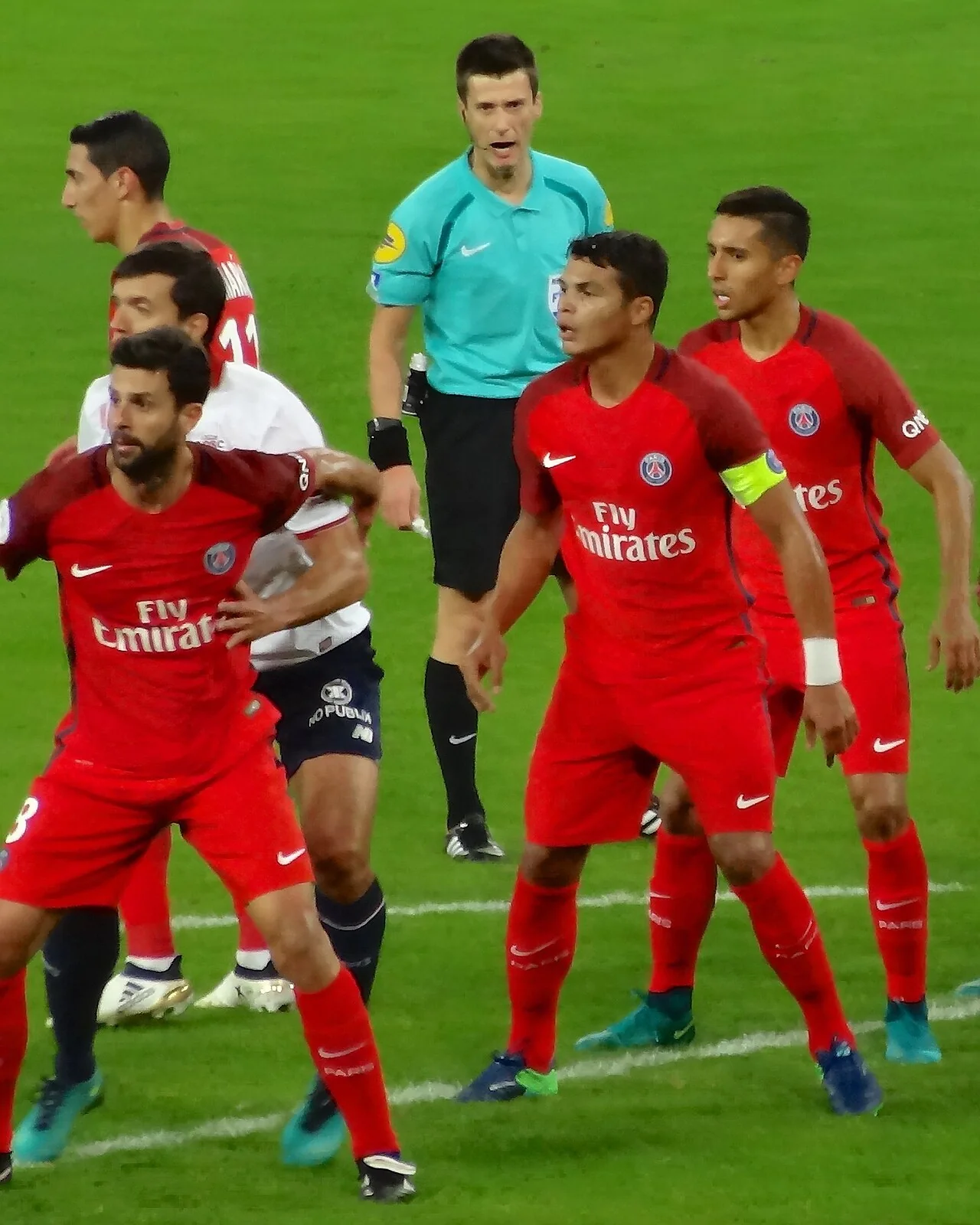

Communication is another part of how a supporter experiences a decision. A pre-season French club-side account described the captain as the referee's main interlocutor. The IFAB's 2026/27 amendments say its “only the captain” framework becomes compulsory across competitions from July 2027; that later worldwide date should not be casually presented as a newly mandatory law for all football in September 2026. The practical principle is still clear: when several players surround the referee, the conversation becomes harder to follow and may consume the time the new directives aim to save. A captain asking for clarification is different from a group attempting to pressure an official.
For VAR disputes, look for the specific law and phase rather than treat “VAR” as a single explanation. The French refereeing department has published round-two decision analyses, including why Lyon's goal against Le Havre was ruled out for offside involvement and why Rennes received a penalty against Le Mans for a defender's arm position. Those notes show the authority's reasoning for selected situations; they are not a promise that every contentious call will be publicly explained or that everyone must agree. IFAB has also expanded some review possibilities while making others competition options. A fan should verify France's actual implementation before saying a referee was obliged to review a category of incident.
When a call becomes the subject of an online argument, start with four concrete facts: match and minute, restart or event type, official signal, and the written rule or official explanation. Then ask what changed for the teams. Did possession switch on a throw-in, did a slow goal kick concede a corner, or was a side temporarily one player short? Those outcomes are clearer than a clip labelled only “new rules controversy.” The fixture schedule and season results help place each incident in its actual competitive context. A team protecting a lead, chasing an equaliser or rotating in a busy week may experience the same procedural sanction very differently.
As of 18 September 2026, the strongest reading of the changes is neither that referees must punish every pause nor that anti-delay measures have no effect. The laws give officials tools with defined triggers and consequences; French refereeing leadership has stated an intention to use them to improve effective playing time. Whether the application feels consistent over the full season can only be evaluated from documented incidents over time. For now, understanding the sequence behind each decision is the best way for a supporter to separate a legitimate complaint from a misleading stopwatch claim.
The most reliable way to read the 2026/27 changes is to follow the order of events rather than the headline clock. Identify the referee?s signal, the type of restart or medical situation, the applicable exception and the sanction. That approach makes a discussion of a disputed Ligue 1 call more precise?and helps a fan see why a faster game still requires careful decisions.
Loading comments…