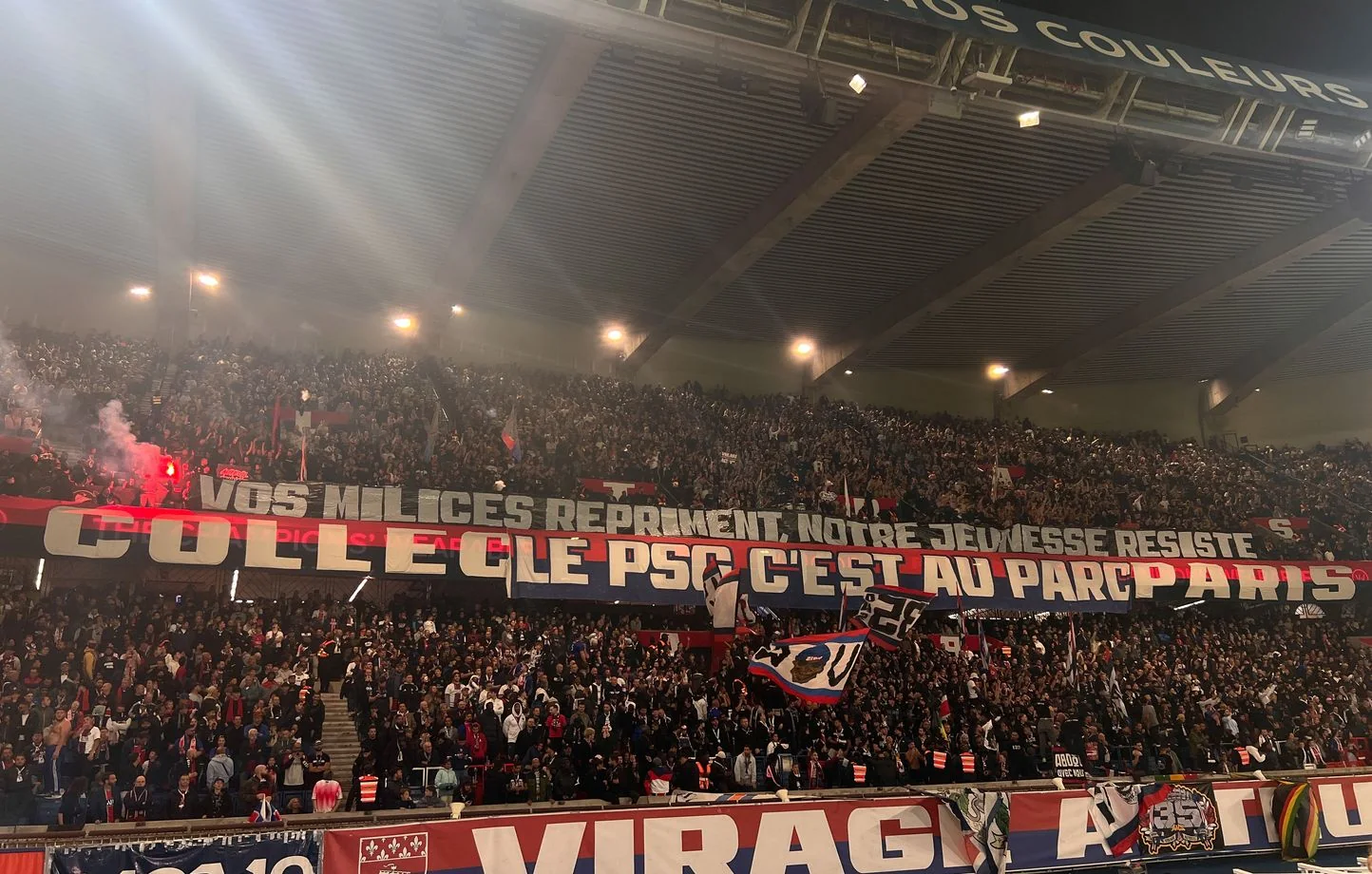
The October 2026 Ligue 1 banner controversy concerns football’s neutrality rules and how they apply to supporters. After student-support displays at Lens and PSG, the French football ethics body invoked those rules. Its statement is distinct from removing a banner, stopping play or imposing a sporting sanction. As of October 30, here is what happened, why supporters disagree and what each kind of decision means.
Why Lens and PSG banners became an October talking point
The immediate story began with two different grounds and one shared subject. The CNE statement published by the FFF identifies a Lens–Lyon display on October 9 condemning police violence, followed by a PSG–Le Mans banner on October 10 expressing youth resistance to repression. Both were connected to the student protest movement. They became a discussion about what supporters can express during a match, rather than simply another exchange between rival clubs.
At the Parc des Princes, the intervention itself became part of the story. CulturePSG's contemporary account reported stewards removing the banner and supporters moving from the stands into concourses. That is a more precise description than assuming that every person in an emptied-looking section had been expelled from the stadium. The distinction matters when interpreting a photograph or a short clip without the surrounding sequence.
The CNE issued its statement on October 14; the FFF published it the next morning. Its intervention therefore followed those two matches. It addressed a principle of football governance, rather than announcing a score change or setting out a ticket restriction for the next fixture. Reading the dates in order prevents a later institutional response being mistaken for the instruction given to a steward during the earlier game.
A later display kept the disagreement alive
The issue did not disappear with that statement. AFP's October 26 match report, carried by TV5MONDE, records another expression of support for French youth during PSG–Lyon. The later display shows that the subject remained active among the supporters involved. It does not establish what everyone in the stadium thought or whether an authority had approved the message.
For a football audience, that continuing disagreement has an immediate effect on the matchday experience. An organised end can communicate through a banner, silence or movement away from seats, as well as through chants. A television viewer may notice the atmosphere changing without knowing why. Understanding the sequence helps explain that change while keeping the football contest and the off-field dispute distinct.
It also gives the debate a concrete focus. There was a display, a reported removal, an ethics statement and a later display. Each is an observable development with its own date. Whether the message was appropriate, whether the response was proportionate and whether a later punishment follows are further questions. They need separate answers rather than being folded into one claim that football has either banned all protest or accepted every banner.
What the CNE means by football’s neutrality
The CNE's position is that the stadium should bring people together around football while keeping divisive political or trade-union disputes outside the match. Its October statement invokes universality, equality and neutrality. It also acknowledges why young supporters, including students, would use a visible football occasion to express solidarity. Its stated purpose is to remind them of principles, rather than to blame them. That acknowledgement is part of the position, not an exemption approving the banners.
The rule has a written basis beyond a newspaper headline. Article one of the FFF's 2026/27 statutes addresses neutrality and prohibits political, ideological, religious or trade-union speech and displays within the competitions and events it describes. The same article addresses protection against discrimination and attacks on personal dignity. Read those provisions together when considering what the federation means by a shared sporting space.
In this context, neutrality does not mean spectators must be indifferent to the teams. A partisan crowd is an ordinary part of the contest. The question is what subject a display introduces into that setting and how football's authorities classify it. Supporting a club and expressing a view on public affairs are different activities, even when the same people do both in the same stand.
This also explains why agreeing with a banner's underlying cause does not settle the regulatory question. Someone can support students and still favour limiting political displays during a match. Someone else can accept football's equal-treatment principles while questioning whether the neutrality rule should restrict this particular expression of solidarity. Those positions concern the application and desirability of a rule; neither should be confused with a published decision about an individual case.
Nor should a federation text be turned into an automatic criminal verdict. The statutes refer to proceedings, but that wording does not tell a reader that every disputed banner has produced a prosecution, conviction or identical sporting punishment. A claim about a specific consequence needs the relevant decision and its basis. For this October dispute, the CNE statement itself supplies an institutional argument, rather than a list of sanctions imposed on the two clubs.
The useful starting point is therefore precise: the ethics body is asking supporters to observe its understanding of neutrality, using existing football texts. Whether a particular intervention was consistent or proportionate remains a question about the actual circumstances and decision. Explaining that distinction makes room for a serious discussion without pretending that a slogan or a headline has answered the whole case.
A removed banner, a paused match and a sanction are different events
A matchday intervention concerns what is happening in the stadium
A steward taking down a display is an immediate intervention at the venue. There is a relevant written rule at PSG: the Parc des Princes regulations prohibit supports used for political or ideological purposes, among other categories, and insulting or vexatious messages. They also set out possible responses by the organiser. Those venue rules help explain the basis on which an intervention can occur before any later league hearing.
The existence of that power does not establish every detail of the October incident. To explain a particular removal fully, supporters would still need to know what instruction was given and why. Equally, a person moving into a concourse is not, by that fact alone, serving a formal stadium ban. Describe the action actually reported before assigning it a wider legal or sporting meaning.
The referee’s decision concerns the continuation of play
The referee has a different responsibility. IFAB Law Five gives the referee powers to stop, suspend or abandon a match for offences or outside interference. A decision about continuing the game concerns conditions for play. It is distinct from a steward managing a banner in the stands or a commission later considering disciplinary consequences.
For a viewer, this means a crowd intervention should not automatically be described as a match interruption. Look for confirmation that play was actually stopped and what the officials said about it. Nor does a match continuing amount to a blanket approval of everything displayed around the pitch. The football and venue-management decisions answer different questions.
If a game is paused, the pause itself also says little about the eventual result of a disciplinary case. A short interruption, a suspension while a problem is addressed and permanent abandonment are materially different developments. The precise event matters to players preparing to resume, to spectators waiting for information and to anyone reading a later report.
A disciplinary order needs its own published terms
The LFP's explanation of its disciplinary process describes official reports, requests for explanations, evidence and hearings before deliberation. That is a process for establishing and assessing a case. A headline saying a club could face sanctions describes a possibility; it does not supply the commission's decision.
A separate October example shows what a concrete order looks like. In its October 21 publication, the LFP named Brest's Quimper stand, an actual one-match closure following revocation of a suspended sanction, an additional suspended element and an effective date of October 27. That case concerned Brest supporter conduct, including pyrotechnics and oral expressions. It is an example of specificity, not a punishment for the Paris or Lens political banners.
When judging the October neutrality story, require that same precision from claims about consequences. Who issued the decision? Which incident and section does it concern? Is the measure immediate or suspended, and when does it apply? The CNE's October statement does not answer those questions by announcing a fine or closure. Its reminder should retain its own identity while any separate disciplinary development is assessed on its own terms.
Why supporters argue about consistency
Support for students and the language used on a banner
Some of the criticism concerns who supporters are allowed to be inside a ground. In an r/Ligue1 discussion of the statement, contributors defended solidarity with students and argued that terraces have a social identity extending beyond the team. Others questioned how this intervention compared with responses to abusive conduct. These comments demonstrate the existence of those objections in that discussion; they are not a poll of French supporters or proof of the accusations made.
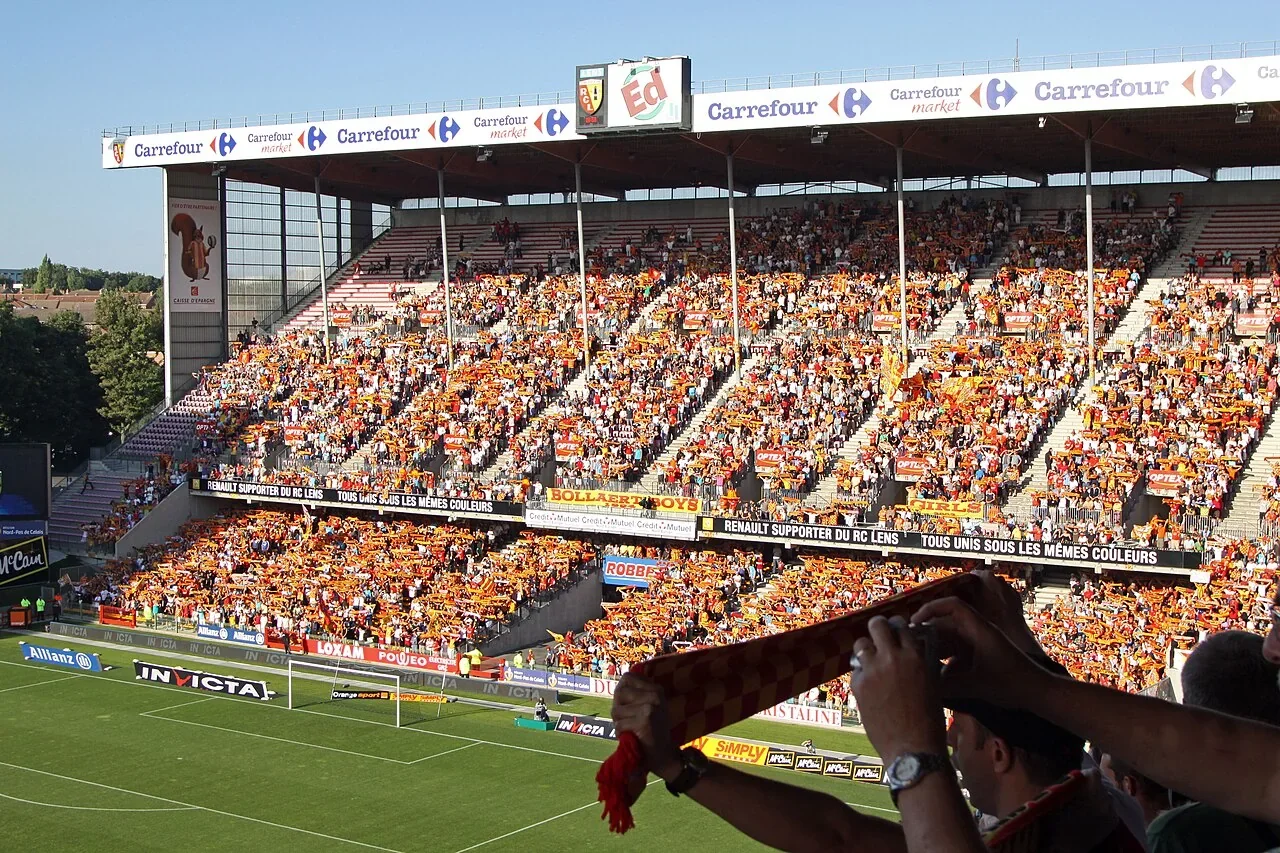
The wording of a message matters alongside its intended cause. Solidarity with young people, criticism of police conduct and an accusation directed at public authorities are connected ideas, but they are not interchangeable descriptions. Supporters and officials may disagree about which aspect dominates a particular display. A useful explanation should identify that disagreement rather than simply label every participant either neutral or political.
The critical 20 Minutes response on October 15 framed the issue around supporters' freedom of expression. That is an editorial position worth distinguishing from the CNE's institutional argument. Neither is a substitute for examining the exact decision at a specific match. A forcefully written commentary can capture frustration without establishing that a sanction has been imposed or overturned.
Equality needs a clear explanation of comparable cases
The strongest consistency question is specific: would the same rule be explained and applied in the same way to a comparable display? To assess that, compare the wording, competition, venue requirements, conduct surrounding the display and actual decision. A political banner quietly removed and a different incident involving threats or interference with play may engage overlapping concerns without being identical cases.
This does not make a demand for transparency unreasonable. An explanation should identify what officials considered prohibited and distinguish the message from any accompanying behaviour. If safety was the reason, say what the concern was. If a content rule was invoked, identify that rule. Supporters can then challenge the reasoning on its merits instead of being left to guess from a disappearing banner.
Equally, different outcomes alone do not prove deliberate favouritism. A claim of selective punishment needs comparable cases and their confirmed outcomes. The October debate raises a credible question about how neutrality is communicated; the comments themselves do not supply a complete record of enforcement. Keeping that distinction allows criticism to remain pointed and fair, without converting frustration into an unsupported allegation about an official's motives.
Political expression and abusive messages raise different questions
A dispute about political neutrality should not flatten every kind of message into the same category. Calling a display political does not by itself establish that it is racist, threatening or directed against an identifiable group. Conversely, describing a display as political solidarity does not answer a separate complaint about intimidation or abuse. The actual words and conduct remain essential.
The distinction appears in official guidance. The FFF's J'alerte information page discusses violence and discrimination, while separately identifying breaches of neutrality among matters that can be reported. That structure helps explain why two incidents may prompt different questions even when both involve something displayed or shouted in a stand. Reporting a concern also begins a process; it is not a finding that the allegation is proved.
There is a public-safety dimension as well. The French government's stadium-security guidance describes organisers' responsibilities concerning incitement to racism, xenophobia, hatred or violence. Those concerns should be identified precisely. Invoking an atmosphere of controversy is insufficient to establish that a particular October banner meets a legal offence, just as the absence of a fight would not by itself settle every content rule.
For supporters asking about double standards, this makes a comparison stronger. Specify whether the complaint concerns a political view, a personal insult, discriminatory content, a threat or behaviour creating an immediate problem for others. Then ask which rule the authority applied and why. The categories can overlap, but the overlap needs explanation rather than assumption.
It is equally useful to distinguish the person expressing a view from the people around them. A large display may be associated with an organised supporter group without representing each spectator in that section. An objection to the display should not become an unsupported claim about every Lens or PSG fan. The same care should apply when discussing people targeted by a message: identify what was said, rather than assign collective motives.
The October neutrality argument can therefore be discussed on its own merits while football's protections against abuse retain their own purpose. A reader does not have to choose between understanding the banner controversy and taking discriminatory or threatening conduct seriously. The practical demand is for accurate classification, clear reasons and decisions that describe the incident actually considered.
What a supporter should check before the next match
Start with the actual game in the Ligue 1 schedule, then read the host club's current information. A discussion about a previous banner does not tell you which entrance to use or whether your section is affected by a later decision. Keep the debate and your practical arrangements connected through current notices, rather than assumptions.
If you intend to bring a display, consult the venue's rules and its official process beforehand. The Parc regulations, for example, require express prior authorisation for animation objects as well as identifying prohibited content. That example does not establish identical arrangements at every Ligue 1 ground. A ticket confirms admission subject to its conditions; it is not independent permission for any banner you choose to carry.
Read the exact restriction attached to your fixture
For a closure or access change, check the issuing authority, date, competition, affected stand or blocks and effective period. Read whether a measure is actually being applied or is suspended. A news story about a possible future sanction should not cause you to treat an unaffected ticket as cancelled, while an actual notice should be read beyond its headline.
Use the club's official ticket account and communications for instructions about your booking. For Paris, the PSG ticketing portal is the relevant starting point. If a restriction affects your seat, ask the seller what arrangement applies; neither the October ethics statement nor a general explanation of disciplinary procedure promises a refund or a move to another stand.
The October controversy remains a disagreement about expression, neutrality and how decisions are explained. Supporters can assess that argument more effectively when each action is named accurately: a venue intervention, a referee's decision about play, an ethics reminder or a separate disciplinary order. Keeping those distinctions clear helps both the person following the news and the person preparing to attend the next match.
Loading comments…